
Mixed Soft Waste Paper: Types, Uses, Recycling & Global Buying Guide
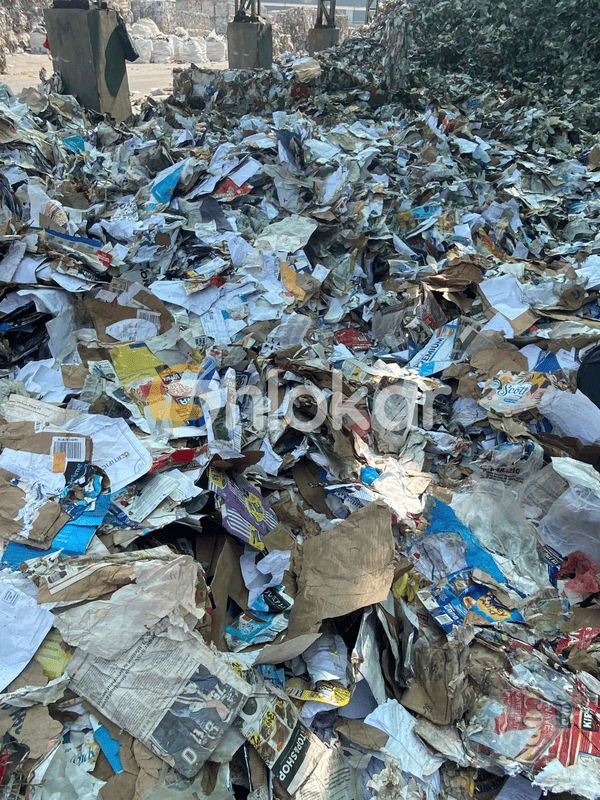
Mixed Soft Waste Paper is a recyclable paper material collected from commercial, industrial, household, and recycling streams. It can contain different paper grades, such as office paper, newspapers, magazines, envelopes, catalogues, and lightweight paper packaging. Therefore, recyclers and buyers should evaluate the composition, moisture, contamination, and overall quality before purchasing this recovered paper material.
What Is Mixed Soft Waste Paper?
Mixed Soft Waste Paper describes a recyclable paper stream that contains different paper materials with varying sizes, weights, and compositions. In general, businesses, offices, households, and recycling centers can generate this type of material.
For example, the stream may contain office paper, newspapers, magazines, envelopes, catalogues, and lightweight paper packaging. However, the exact composition depends on the collection source and sorting system.
Furthermore, recyclers can recover useful fiber from this material and use it in suitable paper manufacturing processes. However, contamination and excessive moisture can reduce processing efficiency. Therefore, buyers should establish clear quality specifications before purchasing.
Common Materials and Grades
The composition of a recovered-paper stream depends mainly on its collection source and sorting standards. For example, commercial collection programs often contain office and printed paper. In contrast, household collection streams may contain a wider variety of recyclable materials.
Common materials may include:
- ✔ Office and writing paper
- ✔ Newspapers and printed paper
- ✔ Magazines and lightweight publications
- ✔ Envelopes and stationery
- ✔ Lightweight paper packaging
- ✔ Catalogues and promotional materials
- ✔ Other recyclable mixed paper grades
However, suppliers may offer different compositions depending on their collection and sorting process. For this reason, buyers should confirm the accepted paper grades before placing an order.
Quality Factors Buyers Should Check
Quality directly affects the performance of recovered paper in recycling operations. Consequently, recyclers should inspect incoming material before production.
Buyers should consider the following factors:
- Composition: First, check the types and approximate proportions of paper in the shipment.
- Moisture: In addition, high moisture can increase shipment weight and create storage problems.
- Contamination: Furthermore, look for plastic, metal, glass, food waste, textiles, and other unwanted materials.
- Fiber condition: Moreover, good fiber quality improves suitability for many recycled-paper applications.
- Sorting: Similarly, consistent sorting helps recyclers maintain stable processing conditions.
- Bale condition: Finally, strong and compact bales simplify transportation and handling.
Before a large purchase, buyers should request specifications, photographs, videos, loading details, and inspection information. As a result, both parties can establish clear expectations before shipment.
How the Recycling Process Works
Paper recycling starts with collection and sorting. Next, recycling facilities separate useful paper from unwanted materials. After that, the facility processes the recovered fiber according to the requirements of the final paper product.
A typical recycling process includes these stages:
- Collection: First, companies collect recyclable paper from offices, businesses, households, and other sources.
- Sorting: Next, workers or automated systems separate different paper grades and remove unsuitable materials.
- Cleaning: After sorting, recycling facilities remove plastics, metals, glass, and other contaminants.
- Preparation: Then, machines reduce the paper into smaller pieces for further processing.
- Pulping: Afterward, mills mix the paper with water to separate the fibers.
- Screening: Subsequently, equipment removes remaining contaminants and unwanted particles.
- De-inking: In some cases, mills remove inks when the final application requires cleaner recovered fiber.
- Paper production: Finally, manufacturers use the recovered fibers to produce new paper-based products.
The exact process varies according to the incoming material and final product. For additional information, visit the U.S. Environmental Protection Agency recycling resources.
Major Applications
Recovered paper can support several paper and fiber-based manufacturing applications. However, each recycling facility selects material according to its equipment, process, and final product requirements.
Potential applications include:
- ✅ Recycled paper manufacturing
- ✅ Paperboard production
- ✅ Corrugated and packaging paper
- ✅ Tissue and hygiene paper applications, depending on grade
- ✅ Recycled stationery products
- ✅ Molded fiber products
- ✅ Other recovered-fiber applications
Furthermore, manufacturers can combine recovered fiber with other raw materials to achieve the required strength, appearance, and performance. Therefore, buyers should match the paper grade with their production requirements.
Benefits of Recovered Paper Recycling
Paper recovery offers environmental and commercial benefits when companies manage collection, sorting, and processing correctly. Moreover, recovered fiber gives paper manufacturers another source of raw material.
- ✔ Supports the recovery and reuse of paper fibers
- ✔ Reduces recyclable paper entering disposal streams
- ✔ Provides secondary fiber for paper and board manufacturing
- ✔ Supports circular economy initiatives
- ✔ Can provide an economical raw material for suitable applications
- ✔ Creates opportunities for international recyclable-material trade
Nevertheless, the commercial value depends on quality, composition, contamination, moisture, freight costs, and current market conditions. Therefore, buyers should evaluate the complete delivered cost before making a purchasing decision.
Global Buying Considerations
International buyers should evaluate both material quality and supplier reliability before purchasing recyclable paper. In addition, a detailed specification can help buyers and suppliers avoid misunderstandings.
Before confirming an order, consider these points:
- Material specification: First, define the paper grades that you will accept and reject.
- Contamination: Next, set a maximum acceptable contamination level.
- Moisture: In addition, agree on the expected moisture level and inspection method.
- Bale specifications: Furthermore, confirm bale dimensions, approximate weight, compression, and wrapping.
- Container loading: Also, confirm the expected loading quantity and loading method.
- Inspection: Moreover, request photographs, videos, or third-party inspection when necessary.
- Incoterms: Then, agree on FOB, CFR, CIF, or another suitable trade term.
- Documentation: Finally, confirm the commercial, shipping, customs, and regulatory documents required at destination.
Furthermore, buyers should check the current import and environmental regulations that apply to recyclable paper in their destination country. Requirements can differ between markets. Therefore, buyers should verify the applicable rules before arranging shipment.
Packaging and Storage
Proper packaging protects recyclable paper during transportation and storage. For this reason, suppliers commonly compress the material into bales because compact bales simplify handling and improve container utilization.
Common packaging considerations include:
- • Compressed and securely strapped bales
- • Bale dimensions suitable for loading and unloading
- • Protection from rain and direct water exposure
- • Clear shipment and bale identification
- • Appropriate container loading procedures
In addition, store the material in a clean and dry location. Protect the bales from rain, standing water, and excessive humidity. As a result, these steps can help maintain material quality during storage.
Quality Control and Inspection
Inspection helps buyers understand the actual quality of a recovered-paper shipment. Since collection streams can vary, buyers should define measurable requirements before shipment.
Depending on the purchase agreement, inspection may cover paper composition, contamination, moisture, bale condition, quantity, and shipment consistency. In addition, loading photographs and videos can provide useful confirmation before dispatch.
For larger transactions, buyers can arrange independent inspection according to mutually agreed criteria. As a result, both parties gain a clearer understanding of the shipment before it reaches the destination.
Role in the Circular Economy
Paper recycling helps recover valuable fibers from used paper products. Instead of sending recyclable material directly to disposal facilities, recycling systems can return usable fibers to manufacturing processes.
According to the U.S. EPA paper and paperboard data, paper and paperboard form a significant part of municipal solid waste streams. Therefore, efficient recovery can play an important role in resource management.
For recyclers and manufacturers, recovered fiber can complement broader resource-efficiency goals. Moreover, responsible sourcing can support a more circular approach to paper consumption and production.
Why Choose Shlokar International?
Shlokar International focuses on sourcing and supplying recyclable raw materials for international buyers. We work with customers to understand their material specifications, quantity requirements, packaging preferences, and destination needs.
For recyclable paper inquiries, our team can coordinate material information, photographs, loading details, shipment planning, and commercial discussions. In addition, we maintain clear communication throughout the sourcing and shipping process.
- ⚬ Buyer-focused sourcing and material coordination
- ⚬ Flexible discussions based on required paper specifications
- ⚬ Support for bulk commercial inquiries
- ⚬ Shipment and logistics coordination
- ⚬ Clear communication regarding material quality and availability
Related Pages
Explore Shlokar International’s recyclable raw materials and industrial product offerings.
Frequently Asked Questions (FAQ)
Q: What is Mixed Soft Waste Paper?
A: Mixed Soft Waste Paper is a recyclable paper stream that contains different soft and flexible paper materials. In general, businesses, offices, households, and recycling centers can generate this material.
Q: What materials can this paper stream contain?
A: Depending on the agreed specification, it can contain office paper, newspapers, magazines, envelopes, catalogues, lightweight packaging paper, and other recyclable paper products. However, the exact composition can vary by collection source and sorting process.
Q: What can recyclers make from recovered paper?
A: Recyclers can process suitable recovered fibers into paper, paperboard, packaging materials, tissue products, stationery, molded fiber, and other recycled products. Therefore, the final application depends on fiber quality and processing requirements.
Q: How does paper recycling work?
A: Recycling facilities generally collect, sort, clean, prepare, pulp, and screen the material. Afterward, some facilities also use de-inking equipment when the final product requires cleaner fiber.
Q: What quality factors should buyers check?
A: Buyers should check composition, moisture, contamination, fiber condition, bale quality, packaging, and shipment quantity. In addition, clear specifications help buyers select material that matches their production requirements.
Q: Can buyers import recovered paper internationally?
A: International shipments depend on the material, origin, destination, customs requirements, and environmental regulations. Therefore, buyers should verify the current requirements before placing an order.
Q: Does Shlokar International supply recyclable paper in bulk?
A: Shlokar International can discuss bulk sourcing requirements based on material specifications, quantity, destination, packaging, and availability. Buyers can contact our team with their requirements for further discussion.
Looking to Buy Recovered Paper in Bulk?
Contact Shlokar International for Mixed Soft Waste Paper sourcing and bulk supply inquiries. Share your required specification, quantity, destination port, and packaging requirements with our team. We can then discuss available material, commercial terms, shipment planning, and logistics according to your requirements.