
How to Choose a Reliable Metal Scrap Supplier for Your Manufacturing Business
Choosing a reliable metal scrap supplier is one of the most critical decisions for modern foundries, smelters, and manufacturing plants. In fact, secondary metals provide substantial cost savings and energy reductions compared to primary ores. However, supply volatility and inconsistent alloy grades can quickly disrupt furnace operations. Therefore, this practical guide outlines essential ISRI grading standards, testing protocols, and red flags to help you partner with the right vendor.
Why Choosing the Right Metal Scrap Supplier Is Critical
Secondary raw materials form the bedrock of sustainable industrial metallurgy. Specifically, using recycled steel, aluminum, copper, and zinc reduces energy consumption by up to 95% compared to refining virgin ores.
However, the scrap metal marketplace remains fragmented and unpredictable. As a result, dealing with unverified middlemen often leads to contaminated batches, variable recovery yields, and expensive furnace downtime.
Consequently, securing a direct partnership with a reliable metal scrap supplier protects your operating margins. Furthermore, consistent raw material feeds guarantee predictable production schedules year-round.
1. Adherence to ISRI Standards and Material Grading
First and foremost, your scrap partner must follow established international scrap standards. For instance, the Institute of Scrap Recycling Industries (ISRI) provides standardized classifications for ferrous and non-ferrous metals.
Whether you procure Heavy Melting Steel (HMS 1&2), Copper Millberry Wire, or Aluminum Tense, your supplier must quote and deliver strictly to documented ISRI codes. In addition, a reputable vendor provides clear written thresholds for allowable attachments, coatings, and surface oxidation before dispatch.
2. Chemical Assays and Spectrometer Testing Capabilities
Visual inspection is never sufficient for precision casting or extrusion plants. Therefore, dependable suppliers invest in advanced handheld X-ray Fluorescence (XRF) and Optical Emission Spectrometry (OES) analyzers on-site.
Moreover, these testing tools verify exact chemical compositions and detect trace impurities before loading. Because of this, you should always request batch-wise spectrometer test certificates and melt-loss trial data before confirming your purchase orders.
3. Volume Capacity and Sourcing Consistency
While small spot brokers may offer occasional low prices, they often struggle during seasonal market pinches. In contrast, an established scrap supplier maintains extensive yard networks, recurring industrial demolition contracts, and container logistics.
Consequently, an experienced partner guarantees recurring monthly tonnages regardless of regional inventory swings. In addition, steady supply prevents costly production stoppages in your foundry.
4. Transparent, Index-Linked Pricing Models
Metal scrap prices fluctuate daily alongside benchmark exchanges like the London Metal Exchange (LME) and MCX. As a result, transparent suppliers peg their quotations to these published indices with clear, fixed processing margins.
Furthermore, honest supplier agreements clearly state incoterms (such as Ex-Works, FOB, or CIF), payment terms, and demurrage responsibilities. Consequently, transparent contracts protect both parties from sudden price renegotiations.
5. Environmental Licensing and Regulatory Compliance
Metal recycling operations are subject to strict environmental regulations. Unfortunately, purchasing scrap from uncertified aggregators exposes manufacturers to severe legal penalties and customs seizures.
Therefore, always confirm that your supplier holds valid Pollution Control Board consents (SPCB/CPCB) and valid tax documentation. In addition, verify Pre-Shipment Inspection Certificates (PSIC) for imported consignments to ensure shipments clear customs without delays.
6. Baling, Shearing, and Yard Logistics Infrastructure
How scrap is processed directly impacts furnace charging speed and shipping economics. For example, high-density hydraulically baled, sheared, or shredded scrap optimizes container space and accelerates melting cycles.
Moreover, verified suppliers provide radioactive radiation inspection certificates and moisture-sealed packaging. As a result, your melt shop remains safe from moisture explosions and contamination risks.
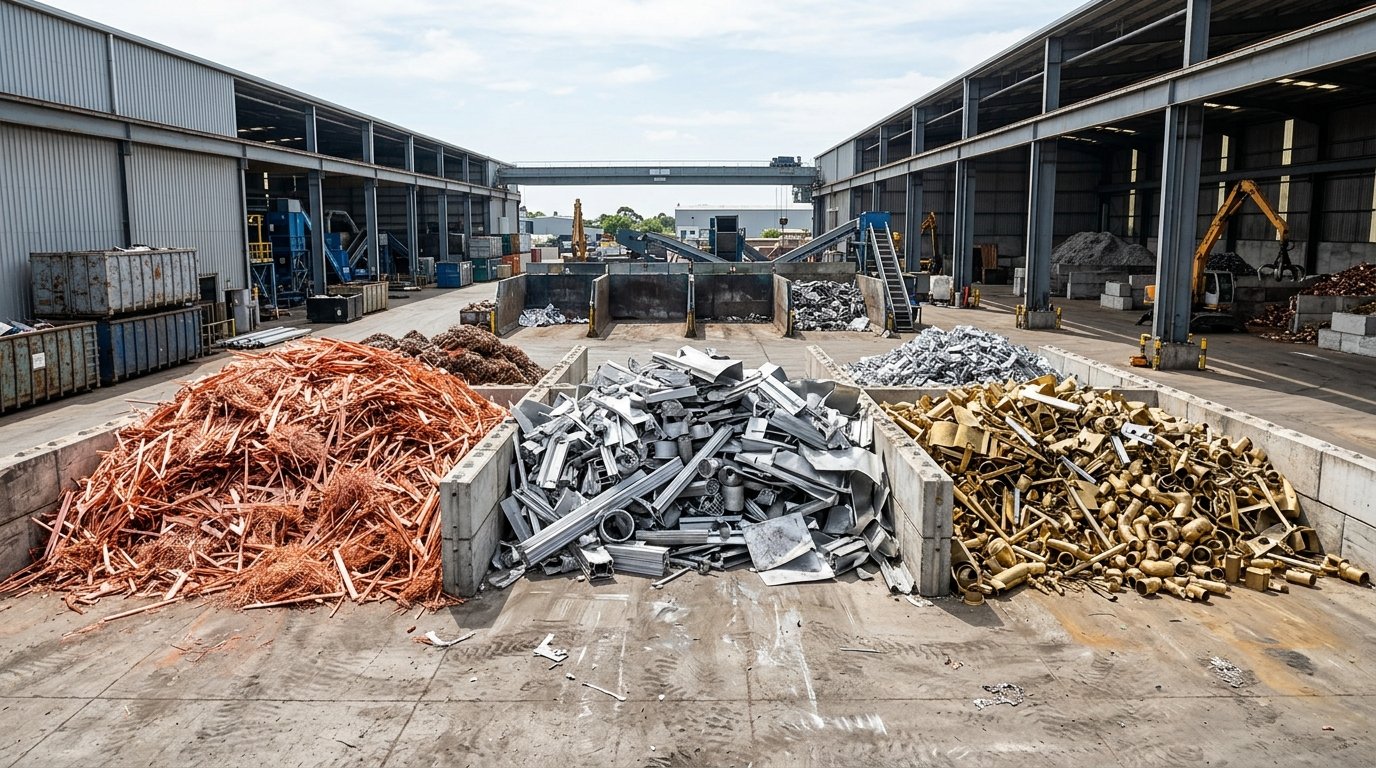
Supplier Comparison: Reliable Partner vs. Spot Broker
To evaluate prospective scrap vendors effectively, review this practical side-by-side comparison:
| Evaluation Factor | Reliable Metal Scrap Supplier | Unverified Spot Broker |
|---|---|---|
| Grading Standard | Standardized ISRI / EN specifications | Vague verbal descriptions |
| Quality Verification | On-site XRF spectrometer assays & lab reports | Visual checks only; no assays |
| Contamination Limits | Contractual moisture & attachment limits (<1–2%) | Unchecked moisture, slag, and dirt |
| Regulatory Standing | Fully licensed (SPCB, CPCB, PSIC, GST compliant) | Informal operations with legal risks |
| Pricing Transparency | Transparent index-pegged formulas (LME / MCX) | Opaque pricing with sudden changes |
| Supply Continuity | Recurring bulk contracts & dedicated yards | Opportunistic trades with shortages |
Key Industrial Metal Scrap Categories
A versatile supplier should provide dependable sourcing across primary ferrous and non-ferrous scrap categories:
- Copper Scrap: Includes Millberry bare bright wire (99.9% Cu), Berry/Birch scrap, and clean copper tubes for continuous casting.
- Aluminum Scrap: Encompasses clean extruded profiles (6063 clean scrap), cast aluminum (Tense), and sheet cuttings (Taint/Tabor) for alloy ingot casting.
- Brass & Bronze Scrap: Yellow brass (Honey), brass borings (Night), and bronze components for plumbing hardware, valves, and precision fittings.
- Zinc & Lead Scrap: Zinc die-cast scrap (Saves), zinc dross/skimmings, and battery plates for chemical oxide and galvanizing plants.
- Ferrous Scrap: Heavy Melting Steel (HMS 1&2), shredded steel scrap (ISRI 211), and stamping bundles for electric arc furnaces.
In addition, consistent sorting ensures each category matches your plant’s chemical tolerance limits.
5 Critical Red Flags to Watch Out For
During your supplier evaluation process, watch out for these five common warning signs:
- Prices Far Below Market Benchmarks: Quotations significantly below prevailing LME indices usually signal excessive moisture, downgraded alloys, or unverified origin.
- Refusal of Physical Yard Audits: Established, reputable suppliers readily welcome prospective clients to tour their yards, inspect sorting bays, and witness spectrometer testing.
- High Dirt and Moisture Content: Wet scrap causes severe melt loss. Moreover, damp scrap creates dangerous steam explosion hazards inside induction furnaces.
- Missing Pre-Shipment Inspection (PSIC) Papers: Imported containers without accredited inspection certificates risk confiscation by customs authorities.
- Frequent Changes in Banking Information: Requests to remit payments into third-party accounts indicate financial instability or fraud.
Therefore, always conduct thorough due diligence before releasing advance payments.
Partner With Shlokar International
At Shlokar International, we assist manufacturing plants, foundries, and recyclers with reliable secondary metal raw materials and industrial polymer feedstocks.
Specifically, our sourcing operations emphasize verified chemical assays, rigorous yard sorting, certified weighbridge documentation, and dependable shipping coordination. Whether you require containerized shipments or recurring bulk deliveries across India and international industrial markets, our team delivers unmatched supply stability.
In addition to metals, explore our specialized plastic raw material offerings, including White EPS Recycled Granules, Black EPS Granules, and industrial polymer resins.
Frequently Asked Questions (FAQ)
Q1: What is the most reliable method to verify scrap alloy composition?
A: The most reliable method is utilizing portable X-ray Fluorescence (XRF) spectrometry for non-ferrous metals. In addition, pair spectrometer scans with certified weighbridge tare-and-gross checks and moisture core sampling.
Q2: What is the acceptable recovery or melt loss for industrial scrap?
A: Acceptable melt loss varies by grade. For example, pure Copper Millberry yields 98–99% recovery, whereas cast aluminum (Tense) typically delivers 88–92% depending on dross separation and furnace efficiency.
Q3: How are metal scrap prices benchmarked?
A: Scrap prices are pegged against underlying primary metal benchmarks on the London Metal Exchange (LME) or MCX. Consequently, prices adjust based on purity discounts, processing overheads, freight, and regional demand.
Q4: What licenses should an industrial metal scrap supplier possess?
A: Reputable vendors maintain State Pollution Control Board (SPCB) consents, Central Pollution Control Board (CPCB) registrations, valid Pre-Shipment Inspection Certificates (PSIC) for imports, and full GST tax compliance.
Looking for a Reliable Metal Scrap Sourcing Partner?
Partner with Shlokar International to secure dependable raw material feedstocks for your manufacturing plant. Our trading specialists provide verified material assays, competitive quotations, and seamless container dispatches.
Connect with us on IndiaMART or contact our procurement desk directly to discuss your monthly volume requirements.